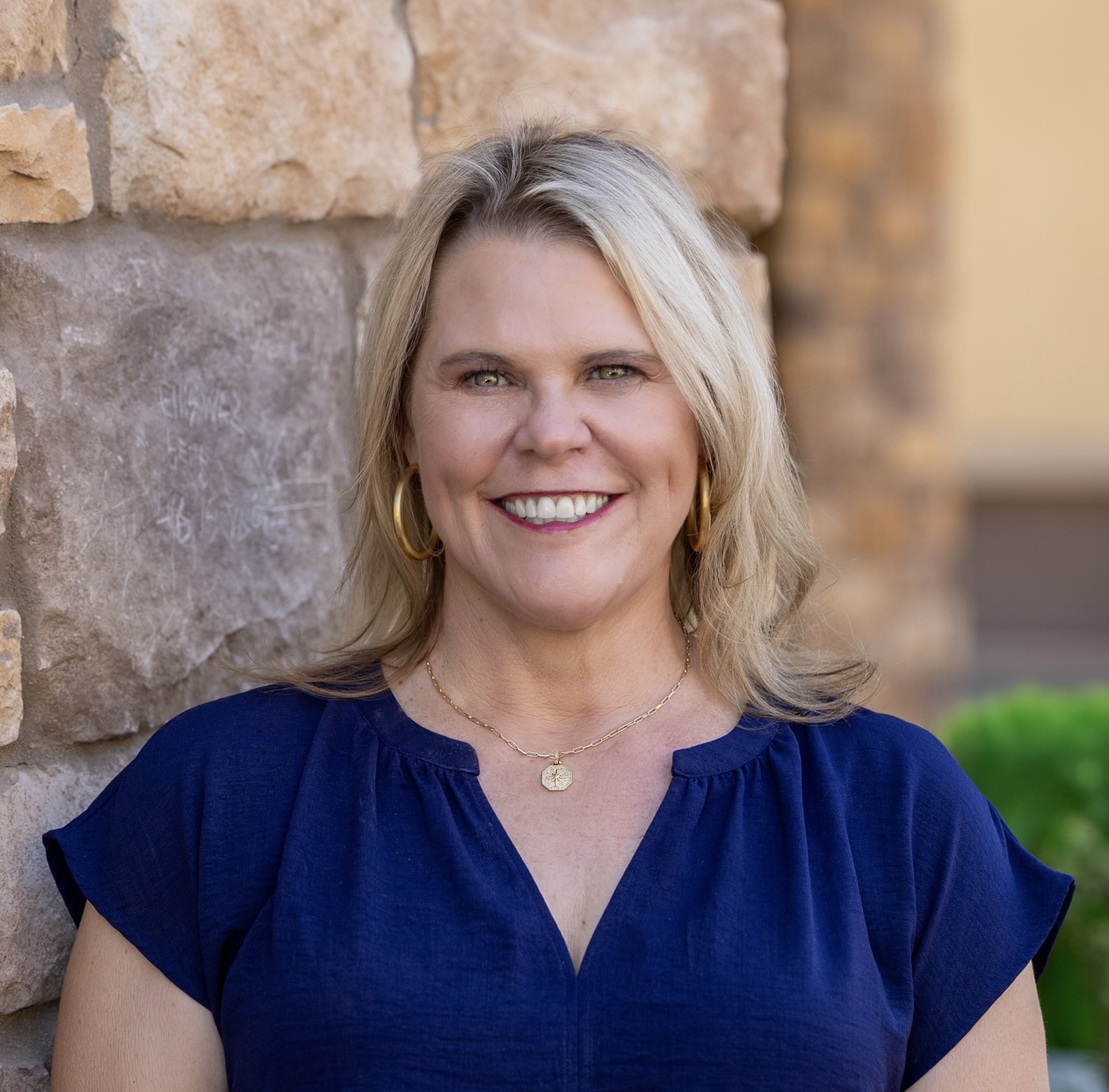
Building a Legacy: David Moore on Leaving Corporate America After 29 Years for Gorilla Property Services
Franchise opportunities are often introduced through a category, a brand name or a consumer experience. Serious evaluation has to go deeper. The more useful question is how Building a Legacy: David Moore on Leaving Corporate America After 29 Years for Gorilla Property Services turns demand into a repeatable operating model that an owner can understand, execute and grow.
That means looking beyond the surface of the concept and examining the systems, economics, support, leadership expectations and market conditions that shape day-to-day ownership.
The central lesson is straightforward: a compelling brand can attract attention, but long-term franchise fit depends on the structure behind the brand and how well that structure aligns with the prospective owner’s goals and capabilities.
The Opportunity: How Gorilla Property Services Turns Demand Into a Repeatable Business
The opportunity in Building a Legacy: David Moore on Leaving Corporate America After 29 Years for Gorilla Property Services is not simply participation in an appealing market. The core challenge is translating customer demand into a business that can be taught, supported and reproduced across locations or territories. For a franchise buyer, that makes the operating system, franchisor support and owner role central parts of the opportunity.
Why the Operating Model Matters More Than the Brand
Franchise buyers are not purchasing a product they personally enjoy; they are taking responsibility for an operating model. Understanding how a concept creates demand, trains owners, supports local execution and responds to market conditions is therefore part of basic due diligence.

Inside Gorilla Property Services: Highlights From the Conversation
David Moore had been working for a company for 29 years.
Part of the process was just meeting some of the other owners, meeting the CEO of the company itself, Andrew.
Um, moving towards commercial, most commercials are either 45 or 60 day payouts.
Key Takeaways
1. A Strong Concept Needs a Repeatable Operating Model
Franchise ownership works best when the buyer understands the mechanism behind the opportunity. That means identifying what drives demand, what the owner is expected to do, and which parts of the model are genuinely repeatable. The practical implication is to evaluate the operating reality before becoming attached to the brand story.
2. Franchisee Support Is Part of the Product
Support should be evaluated as an operating resource, not a brochure promise. Training, technology, leadership access, peer networks, marketing systems and performance expectations all influence how effectively a new owner can execute. Validation with existing franchisees can help test whether that support is consistent in practice.
3. Fit Matters More Than Category Excitement
No concept is automatically the right concept for every buyer. Investment range, desired involvement, leadership style, sales comfort, local market and long-term goals all shape franchise fit. A disciplined buyer uses those criteria to narrow the field rather than trying to make personal circumstances fit a favorite opportunity.
Practical Application: Build a Five-Area Comparison Sheet

When evaluating a franchise brand, build a comparison sheet that covers five areas:
Customer demand
Owner responsibilities
Initial and ongoing investment
Franchisor support
Validation with current franchisees
Add your own non-negotiables - geography, schedule, staffing, growth ambitions and financial comfort level - so the comparison stays centered on franchise fit.
Ready to explore whether business ownership could fit your goals, lifestyle and investment criteria? Book a free, no-obligation Business Ownership Call with Mint Franchise Consultants.
Final Thoughts
Building a Legacy: David Moore on Leaving Corporate America After 29 Years for Gorilla Property Services is a reminder that franchise evaluation should move from concept appeal to operating substance. The strongest opportunity is not simply the one with an attractive market; it is the one whose systems, economics, support and owner role align with the person who will be responsible for executing it.